In the global crop protection market, product registration and channel entry do not mean that its real value has been fully realized in practice. Markets differ in climate, crop, pest, disease and weed pressure, application equipment, and farming practices. These differences create a gap between being ready for sales and working reliably in the field.
How can customers get agrochemical products that truly meet their needs—products that can be quickly adapted to local field conditions, deliver visible and verifiable results, and be continuously improved through follow-up and feedback? This has become a key concern for crop protection enterprises.
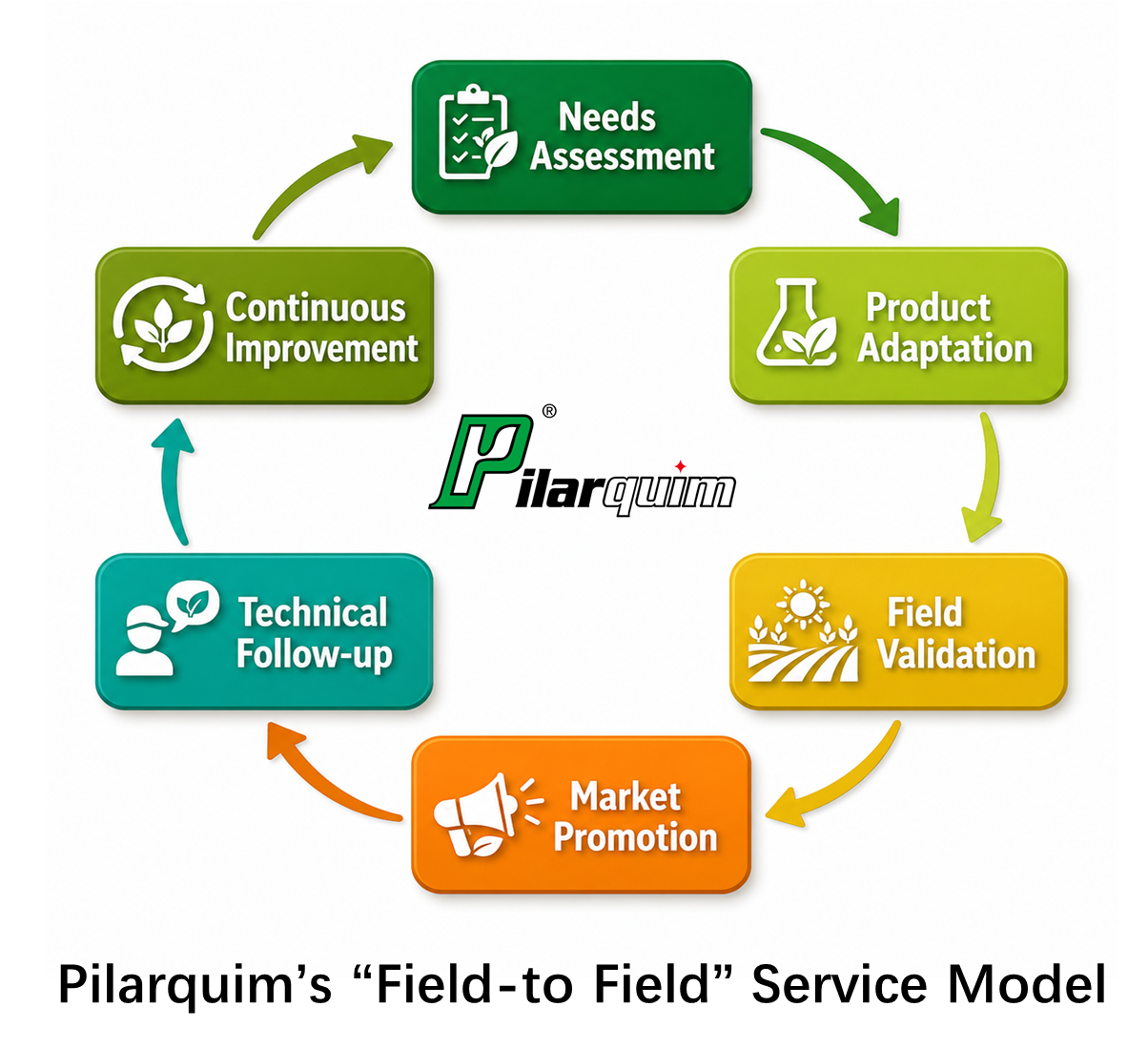
To address this need, Pilarquim is expanding its "Field-to-Field" service model worldwide. The model links six steps: Needs Assessment, Product Adaptation, Field Validation, Market Promotion, Technical Follow-up, and Continuous Improvement.
How can customers get agrochemical products that truly meet their needs—products that can be quickly adapted to local field conditions, deliver visible and verifiable results, and be continuously improved through follow-up and feedback? This has become a key concern for crop protection enterprises.
To address this need, Pilarquim is expanding its "Field-to-Field" service model worldwide. The model links six steps: Needs Assessment, Product Adaptation, Field Validation, Market Promotion, Technical Follow-up, and Continuous Improvement.
Starting in the Field: Defining Products by Real Needs
Every product should start with a real field need. Markets differ widely in climate, crops, pest, disease and weed pressure, application practices, and farm management. As a result, the same product may require different positioning, use programs, and value messages in different regions.
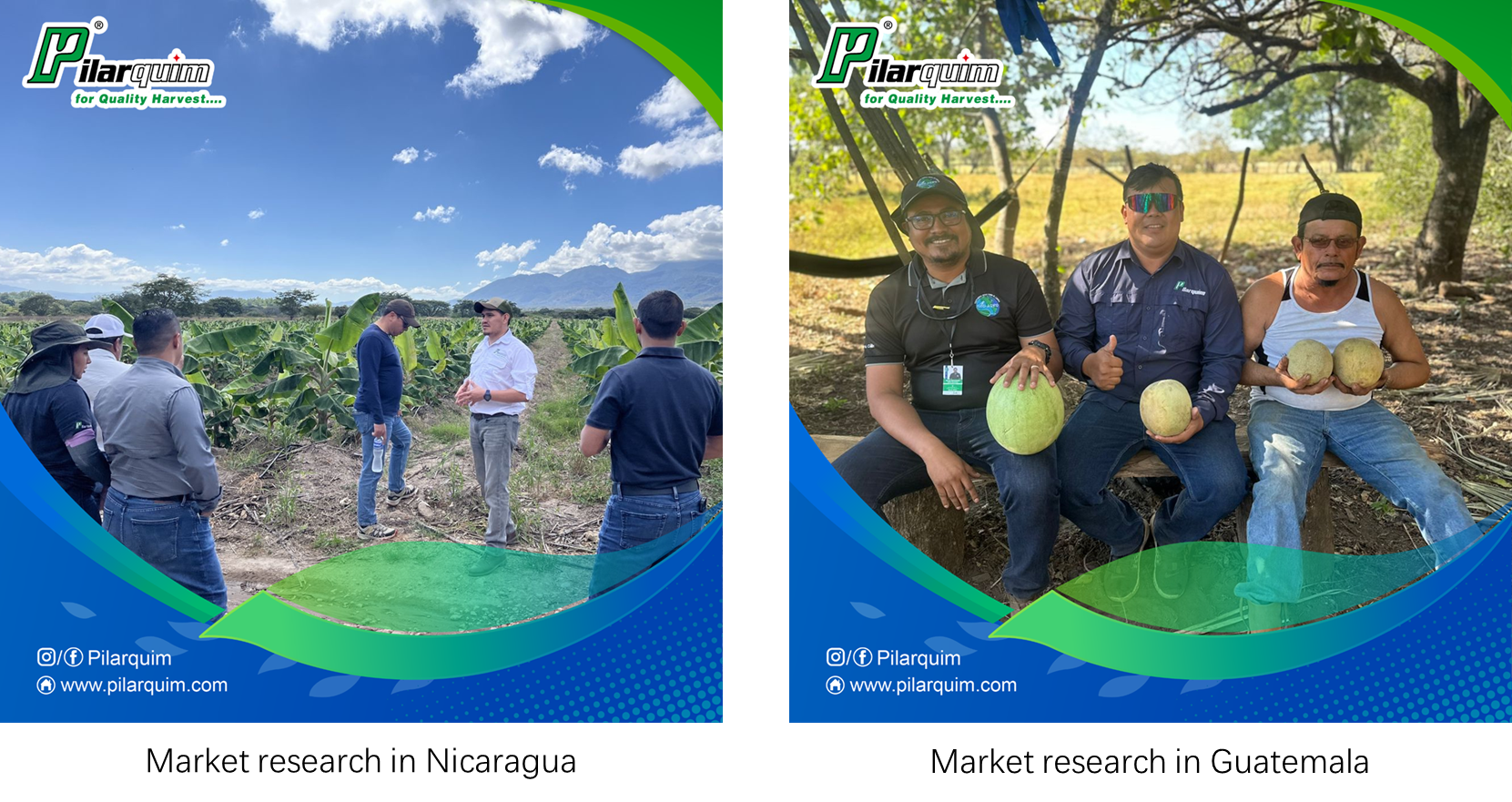
Therefore, Pilarquim places field research before product development and market planning. Pilarquim teams visit farms and distribution channels and communicate with agronomists, channel partners and growers. They study crop growth stages, major local pests, diseases and weeds, common application methods, and practical challenges. Every question and suggestion from the fields becomes an important basis for product development, localization positioning, and the design of supporting solutions.
Therefore, Pilarquim places field research before product development and market planning. Pilarquim teams visit farms and distribution channels and communicate with agronomists, channel partners and growers. They study crop growth stages, major local pests, diseases and weeds, common application methods, and practical challenges. Every question and suggestion from the fields becomes an important basis for product development, localization positioning, and the design of supporting solutions.
Serving in the Field: Supporting Application with Technical Service
For a crop protection company, market entry is not the end of service. To turn product performance into stable and sustainable field results, agrochemical enterprises need to adapt their work to local conditions. They should consider local crop structures, climate conditions, pest, disease and weed patterns, and farmers’ application habits. They also need to continue local field trials, technical training, and application follow-up.
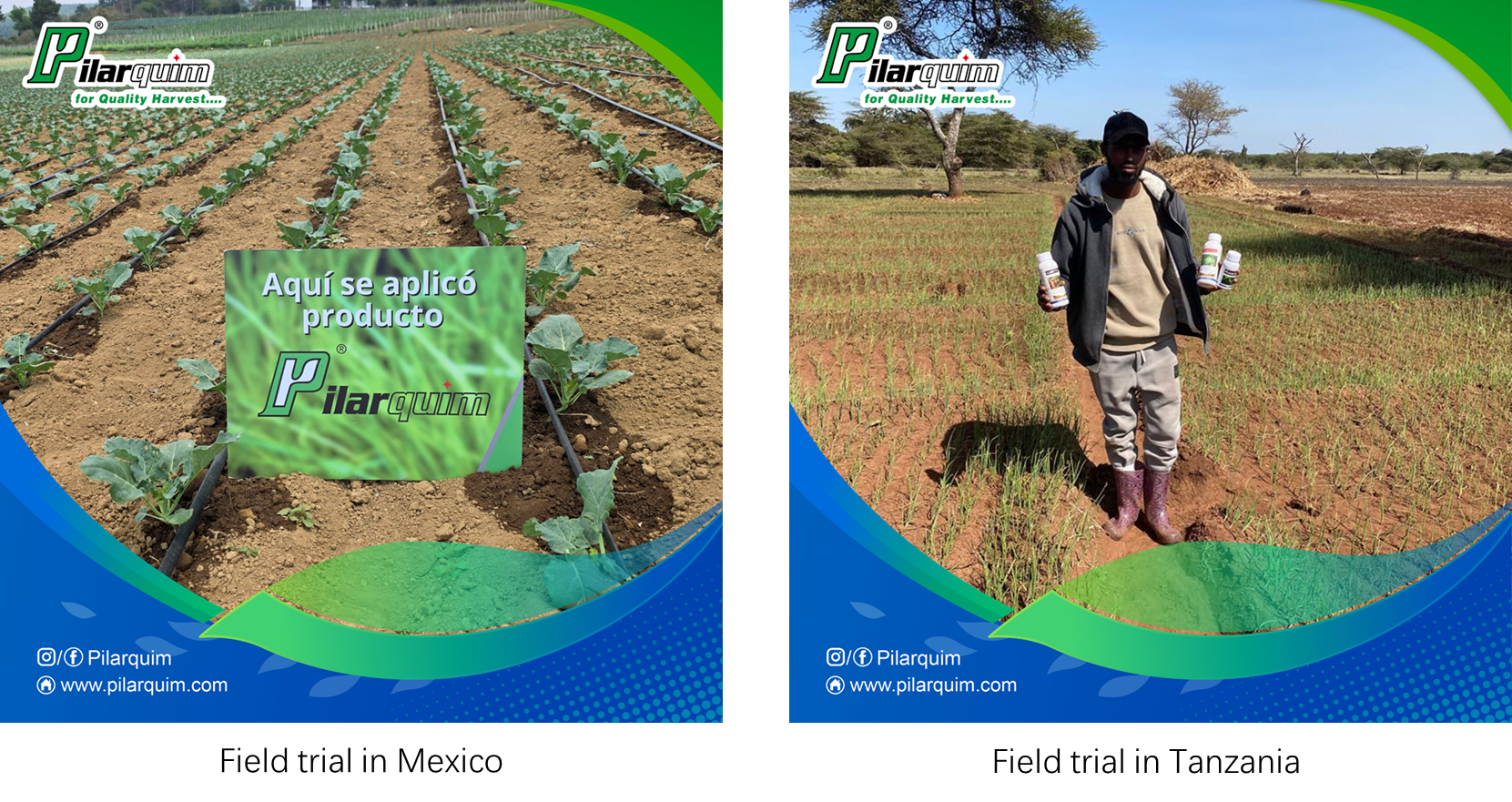
Before the product launch: Pilarquim teams work in different fields to assess crop growth, pest and disease pressure, local climate, and traditional application practices. Through adaptability studies and program validation, they define suitable dosages, application methods, and standard operating points for the local market. This provides a reliable basis for effective product use.
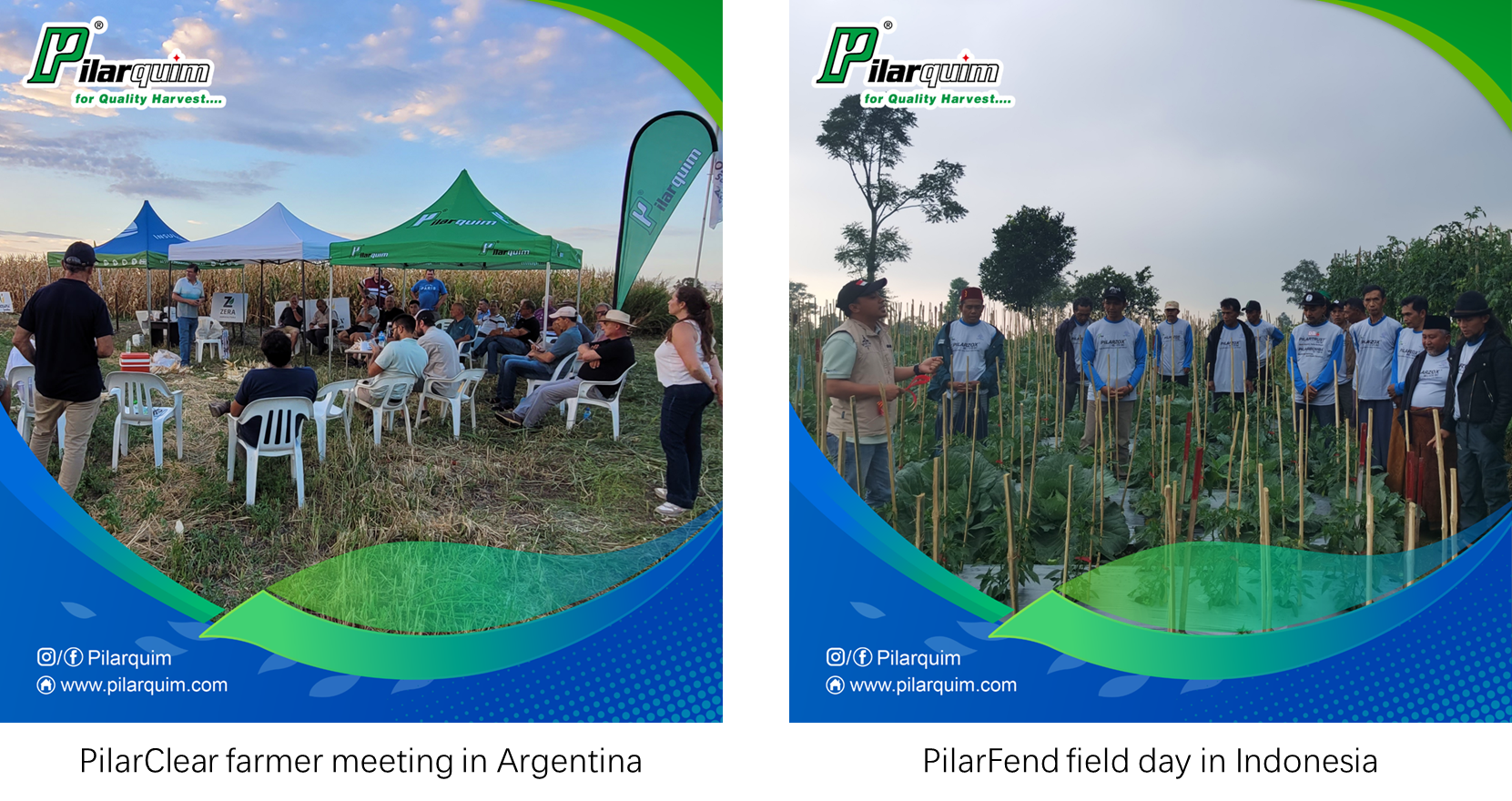
After the product launch: Pilarquim teams focus on key crop growth stages and optimal application windows. Through field demonstrations, field days, farmer meetings, distributor training, and product launch events, they provide practical guidance on product use and standardized application programs. Field performance is also closely monitored under different environmental and application conditions. This helps identify and solve practical challenges, turning product advantages into visible field results and lasting value for growers.
After the product launch: Pilarquim teams focus on key crop growth stages and optimal application windows. Through field demonstrations, field days, farmer meetings, distributor training, and product launch events, they provide practical guidance on product use and standardized application programs. Field performance is also closely monitored under different environmental and application conditions. This helps identify and solve practical challenges, turning product advantages into visible field results and lasting value for growers.
Returning to the Field: Driving Upgrades through Practical Feedback
Returning to the field, gathering feedback, and continuously improving products and services are important parts of Pilarquim’s global service model. Throughout the product development process, Pilarquim listens to growers, technical teams and channel partners, bringing together insights from the field, technical evaluation, and market practice. By systematically collecting and reviewing these frontline insights, Pilarquim can refine product positioning, application programs, and technical materials, while also guiding product improvement and development in future.
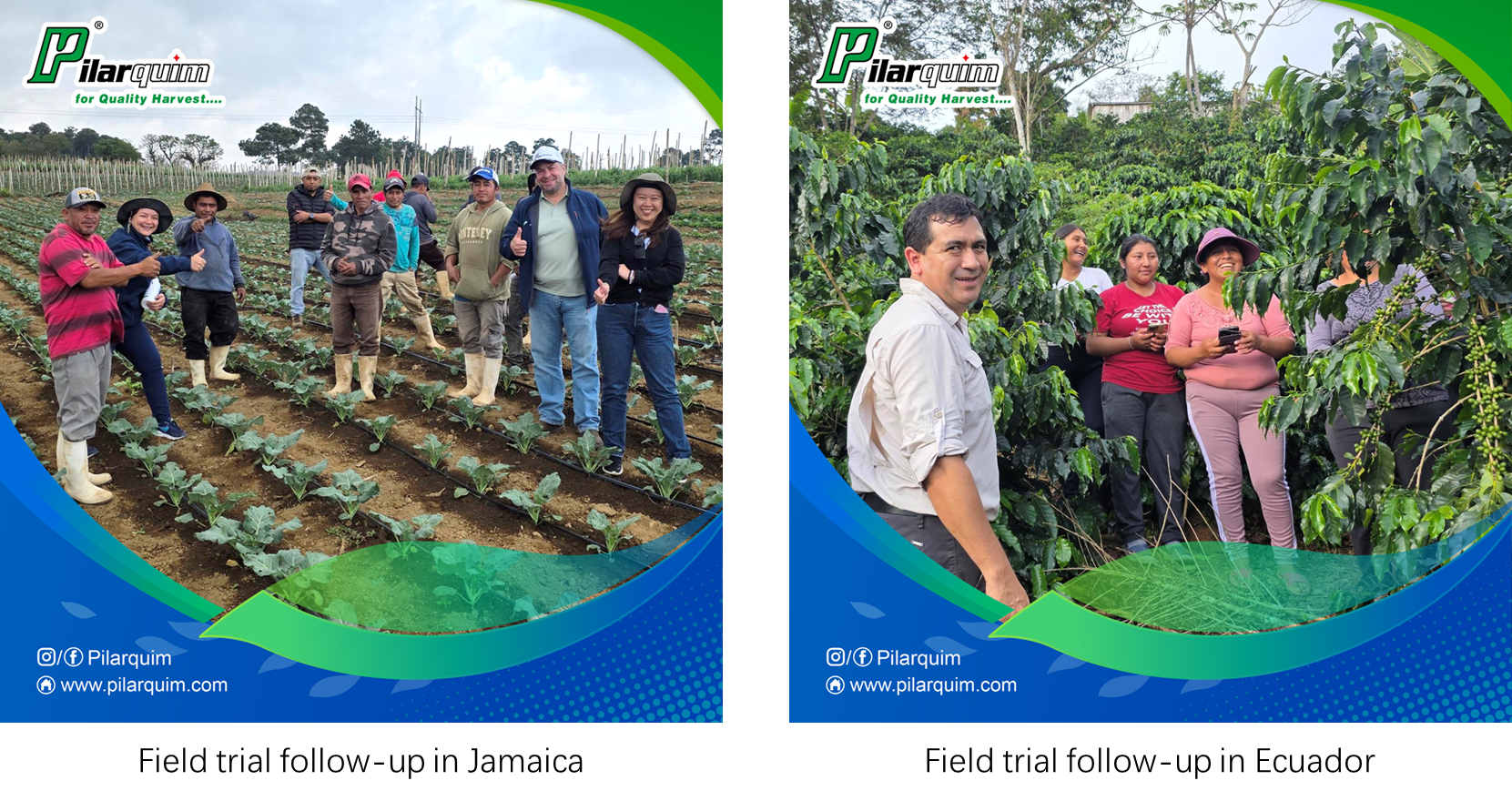
Together, these activities form a service system that covers the full crop season:
Through a standard process of research, validation, training, and follow-up, Pilarquim helps growers use products more accurately. It also gives channel partners clear and convincing local evidence for promotion. This helps each product fit local needs, support field production, and create practical value.
This service model supports the local application of products and use programs. At the same time, it provides an ongoing platform to validate and improve key formulation technologies such as Pilarnano® and Pilarcore®. Testing across markets, crops, and use scenarios turns technology into reliable field performance, easier application, and more efficient crop protection.
- Early stage: Pilarquim teams research the market and identifies problems.
- Middle stage: Pilarquim teams conduct localized product validation. At key application points, they conduct technical trainings.
- Later stage: Pilarquim teams track field results and improve programs based on the feedback.
Through a standard process of research, validation, training, and follow-up, Pilarquim helps growers use products more accurately. It also gives channel partners clear and convincing local evidence for promotion. This helps each product fit local needs, support field production, and create practical value.
This service model supports the local application of products and use programs. At the same time, it provides an ongoing platform to validate and improve key formulation technologies such as Pilarnano® and Pilarcore®. Testing across markets, crops, and use scenarios turns technology into reliable field performance, easier application, and more efficient crop protection.
“Field-to-Field” is not a series of isolated marketing activities.
It is a market service approach that starts with real field challenges, measures success through application results, and aims for continuous improvement.
For Pilarquim, the value of a crop protection enterprise is not limited to supplying high-quality agrochemical products. It also lies in building a full-cycle service system around crop needs, grower use, and partner development. This system covers needs assessment, product adaptation, field validation, market promotion, technical follow-up, and continuous improvement.
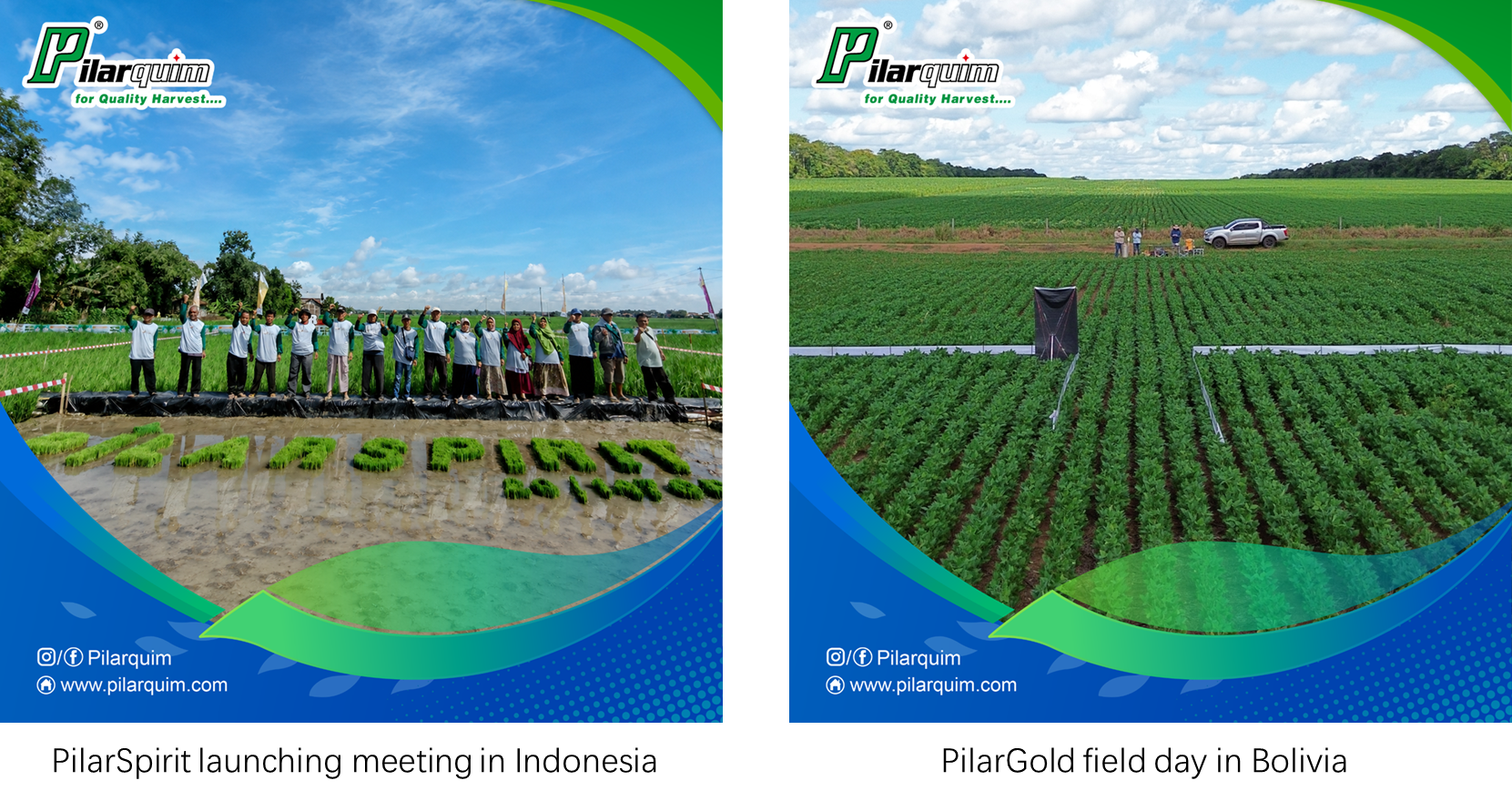
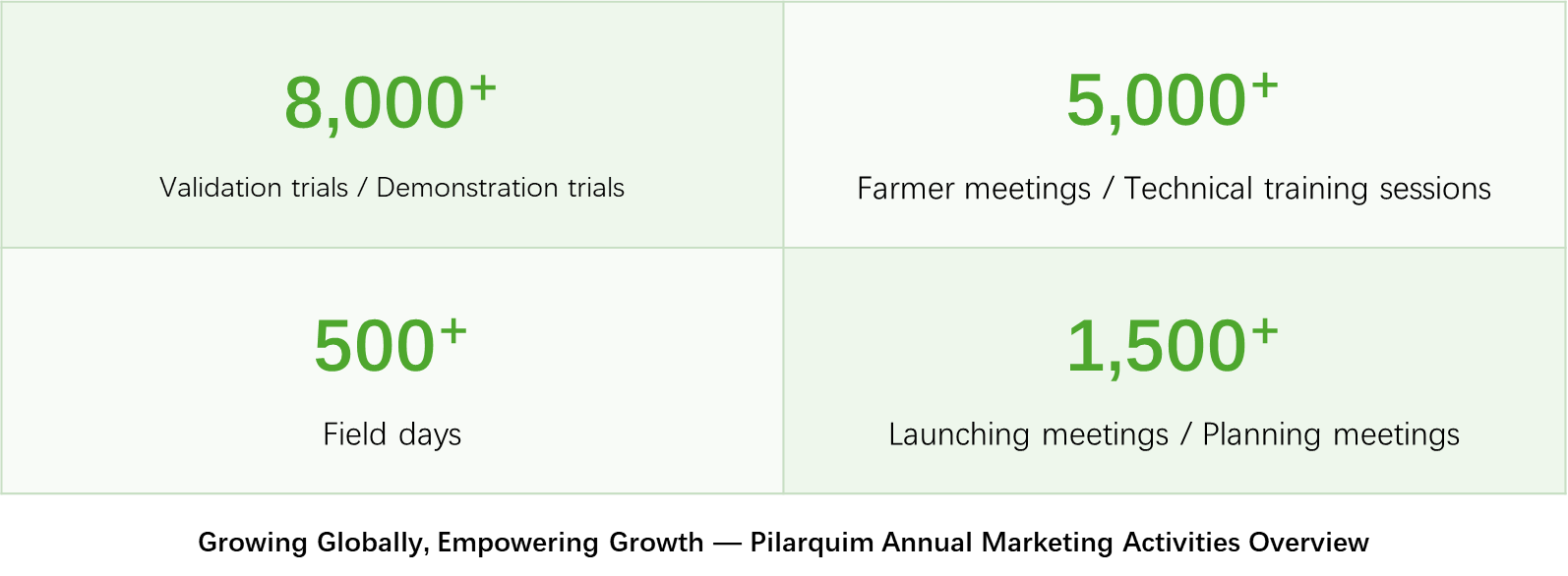
This “Field-to-Field” service model brings practical support to frontline markets worldwide. Each year, Pilarquim carries out more than 15,000 marketing activities around key crops, regional markets, and critical application stages. The scale still continues to grow. From local validation and program improvement before launch to demonstrations, use guidance and performance follow-up after launch, every marketing activity connects products and technologies with real farming conditions. This turns product advantages into stable, visible, and sustainable field value.
Looking ahead, Pilarquim will continue to stand alongside partners worldwide, focusing on key crops and priority markets. By strengthening local field validation, delivering technical services built around growers’ real needs, and creating faster, more responsive feedback loops, Pilarquim will turn product potential into proven value in the field. From field to field, Pilarquim will keep moving forward with their partners—creating lasting value where it matters most.
